
Why Are My Ears Itchy? Common Causes and How to Find Relief
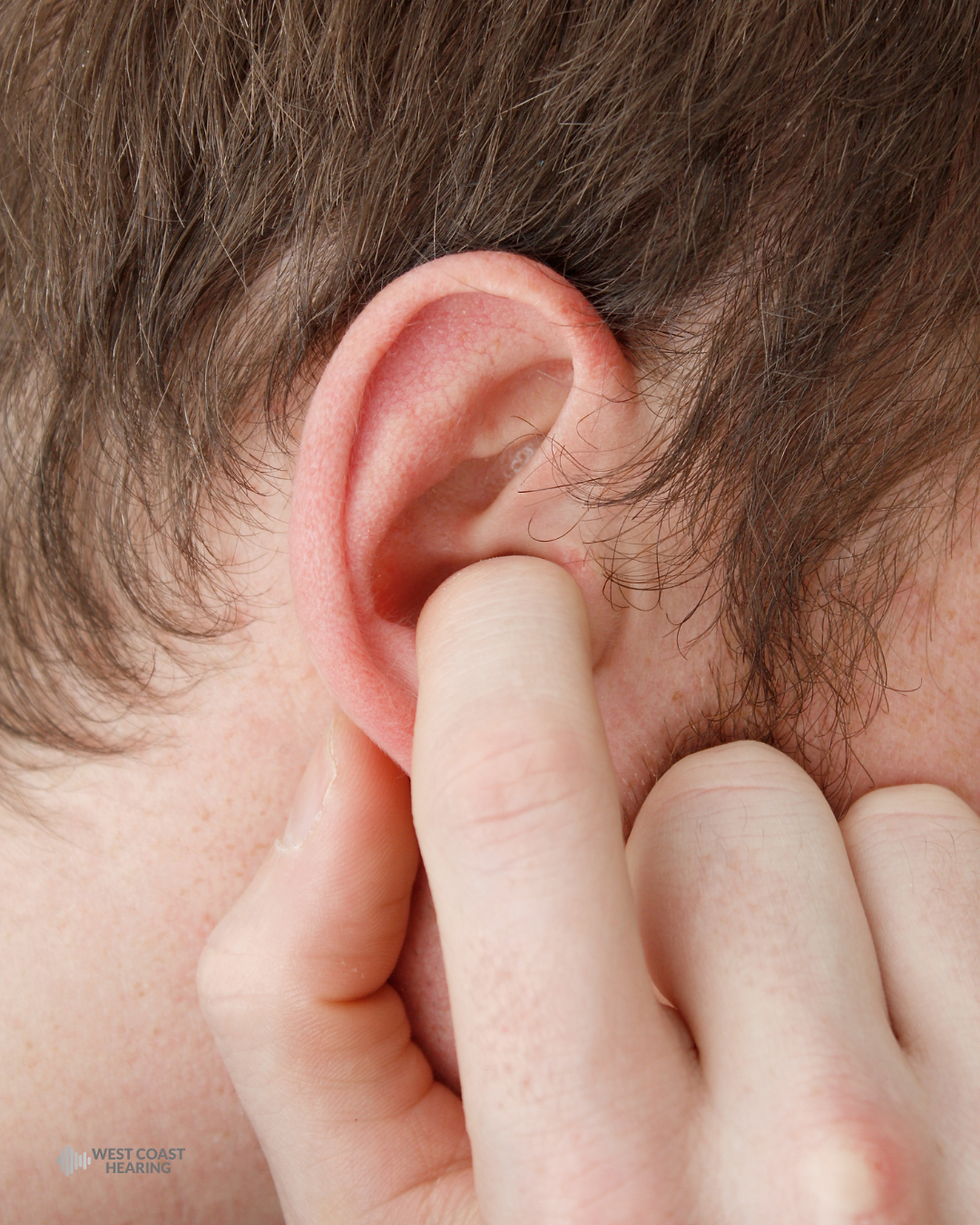
Itchy ears are a common complaint and, while they're often harmless, they can be frustrating and difficult to ignore. Understanding the cause is the first step toward finding relief and preventing the problem from getting worse.
Below, we'll explore some of the most common causes of itchy ears, along with simple tips to help soothe the irritation and know when it's time to seek medical advice.
Common causes of itchy ears
Allergies and Sensitivities
Some common triggers include:
Seasonal allergies - pollen, mold and dust during allergy season can cause inflammation and itchiness in ears.
Food allergies - in some cases a symptom of an allergic reaction to food is itchy ears.
Skin sensitivity - hair and skin products, perfumes/colognes, and some jewelry can trigger itching in and around the ears.
To ease allergy and skin sensitivity related itching:
Avoid known irritants that trigger reactions.
Shower and change clothes after spending time outdoors to help reduce allergen exposure.
Talk to your primary care provider (Physician or Nurse Practitioner) or Pharmacist about an antihistamine.
Dry Skin
Common causes of dry ears include:
Over-cleaning - the ear is self-cleaning, excessive cleaning can strip away the natural protective oils in your ear canal.
Skin conditions - eczema and psoriasis can affect the ears, causing redness, irritation, and potentially dry and flaking skin.
Cold weather - dry or cold air can dehydrate the skin inside your ears.
To ease allergy and skin sensitivity related itching:
Introduce a humidifier into your home.
Use an over-the-counter products such as Earol or Eargene to help moisturize your ears and ease itchiness.
Avoid using harsh soaps or scented products in or around your ears.


Cerumen Buildup or impaction
Cerumen (earwax) helps protect your ears from dirt and bacteria, but too much can cause itching.
In addition to itching, earwax buildup can lead to:
reduced or muffled hearing
ringing, buzzing, or whooshing sounds in the ear
earache or discomfort
a feeling of fullness or pressure
Read our blog post about Managing Earwax at Home to learn the do's and don'ts to finding relief without damaging your ears, or causing deeper impaction.
Hearing Aids
Hearing aids can cause itchy ears for some, especially during the initial adjustment period.
Common causes can include:
Trapped moisture or wax - hearing aids can prevent air from circulating, trapping heat and moisture
Adjustment period - your nerves and skin may take a few weeks to adjust to a foreign object being placed in your ear canal
Poor fit - domes or earmolds can rub against the sensitive skin in your ear causing a sore ear canal or itching
To ease allergy and skin sensitivity related itching:
Keep your devices clean - prevent buildup of moisture, debris and wax by regularly wiping down your hearing aids and domes (or earmolds)
Ensure proper fit - confirm a proper fit and insertion technique with your hearing care provider
Ear infection
Otitis Externa (swimmer's ear) is a bacterial ear infection that can cause itching, along with pain and inflammation. It's often caused by water remaining in the ear after swimming or bathing, creating a moist environment perfect for bacterial growth.
To ease swimmer's ear related itching:
Keep your ears dry - gently dry your ears with a towel after swimming or bathing. Tilt your head to each side to allow water to drain out naturally.
Avoid getting water in your ears - when showering or swimming, consider using earplugs to prevent water from entering your ear canal.
Sometimes an eardrop can help relieve symptoms after swimming - prior to purchasing anything check in with your primary care provider to ensure this is appropriate treatment for you.
Do I need to see a doctor?
Mild or occasional ear itching is normal and usually nothing to worry about. However, if the itching becomes severe or is accompanied by pain or discharge, it’s time to see a doctor.
Most cases of itchy ears can be managed by addressing the underlying cause and avoiding habits that may make symptoms worse.
If your symptoms persist, become painful, or are accompanied by hearing changes, discharge, or swelling, it's important to see your primary care provider or a hearing healthcare professional for an assessment.
With the right care, you can keep your ears healthy, comfortable, and itch-free.

